Why we built Lucoze in Hindi first.
Most Indian clinic SaaS launched in the last 5 years still defaults to English. There is a six-week retraining cost baked into that decision.
A pattern from Tier-2 East India
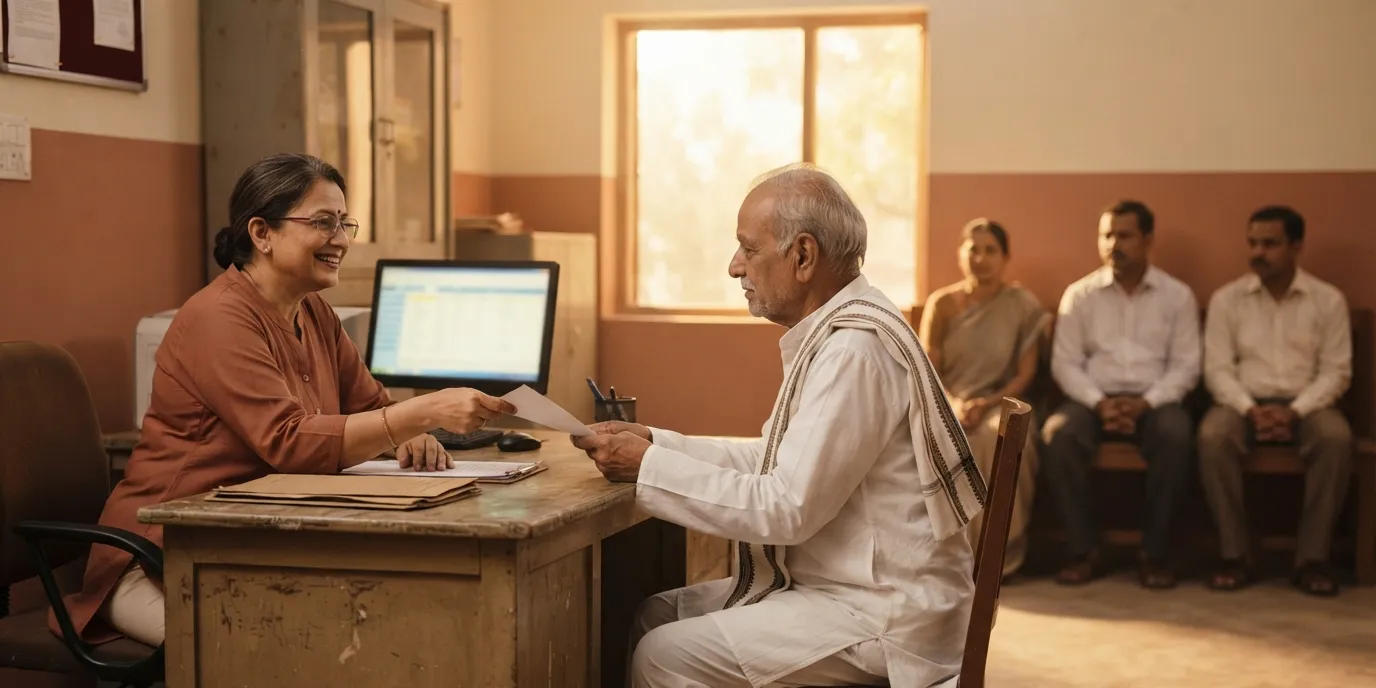
A pattern we hear repeatedly from clinic owners in Bihar, UP, Odisha, and West Bengal: a 4–6 doctor clinic running three pieces of healthcare software, all with English-only UIs. The front-desk staff have memorised the menu paths because they cannot actually read the labels.
When the one receptionist who knew the paths leaves, the clinic spends 6–8 weeks training her replacement. Six weeks of slower billing, missed appointments, and the occasional near-miss patient ID mix-up.
What do clinic owners ask for first?
When we ask what would help most, the answer is rarely “more features” or “better integration.” It’s Hindi interface labels. In Devanagari. With Hindi error messages.
Why is this so rarely done?
Most clinic SaaS in India was built in Bangalore or Bombay by founders whose own clinical familiarity is English-first. The local-language UI gets relegated to a “regional features” footnote, often half-translated, often untested with a real receptionist.
The result, in Tier-2 East India: a 6–8 week staff retraining cost baked into the cost of using the software, every time the receptionist turns over.
What are we doing about it?
- Hindi UI ships in Q3 2026 — as a first-class primary UI, not a translation overlay.
- Bengali after that. Odia after that.
- All error messages, confirmation prompts, and WhatsApp templates translated by clinicians who actually work in that language. No Google Translate shortcuts.
- Patient-counsel sheets print in the language the patient reads.
The real competition
You compete with paper in Bihar. Paper is in Hindi. Software has to be too.